



An advisory committee for the CSA safety enforcement program dove deep into the complex details and emerged with some consensus and some irreconcilable differences.
 MENU
MENU SEARCH
An advisory committee for the CSA safety enforcement program dove deep into the complex details and emerged with some consensus and some irreconcilable differences.


An advisory committee for the CSA safety enforcement program dove deep into the complex details and emerged with some consensus and some irreconcilable differences.
An advisory committee for the CSA safety enforcement program dove deep into the complex details and emerged with some consensus and some irreconcilable differences.
After months of research and debate the CSA Subcommittee of the Motor Carrier Safety Advisory Committee agreed that the Federal Motor Carrier Safety Administration should extend its efforts on determining fault in crashes.
Specifically, the agency should look past police accident reports to other investigations that might apply, such as criminal reports, civil lawsuits or accident reconstruction reports, the subcommittee said.
The agency also should look at the research that’s been done on the accuracy of police reports, and should consider alternatives – and the cost of those alternatives – for determining fault in a crash.
But the subcommittee is divided on other aspects of crash accountability.
Most of the subcommittee members believe that crashes where the carrier clearly is not at fault should not be counted in the carrier’s Crash Indicator BASIC. They said that if the report includes a primary contributing factor in the crash, it should go into the database.
A smaller group, representing the safety advocacy community, believes that all crash reports, regardless of fault, should go into the Crash Indicator BASIC.
(The Crash Indicator BASIC, or Behavior Analysis and Safety Improvement Category, is one of seven groups of measurements the agency uses to determine a carrier’s risk of crashing.)
The split on the question of crash accountability is a major issue in the CSA program.
Right now the agency does not account for fault in crashes, relying instead on the statistical probability that some of a carrier’s crashes will be the carrier’s fault. Trucking interests contend that the agency needs to make an effort to remove crashes that obviously are not the carrier’s fault, while safety advocates contend that the agency’s current approach is adequate.
The agency is analyzing crash accountability and expects to release a report this summer.
Additional reviews of CSA in general are under way at the Government Accountability Office and the office of the Transportation Department’s Inspector General. They are expected this fall.
The subcommittee also addressed questions about public access to CSA data, and about the quality of the data.
Most of the group recommended that the agency deny public access to the three BASIC scores that do not correlate strongly to crash risk – Controlled Substance/Alcohol, Driver Fitness and HazMats.
The Crash Indicator BASIC already is blocked from the public and should stay blocked, they said. The remaining three BASICS, Unsafe Driving, Vehicle Maintenance and Hours of Service, should remain public, they said.
Other members, including safety advocates and a representative of the enforcement community, contend that all scores should remain public.
With respect to data quality, the group recommended that the agency should work with state enforcement to standardize crash reports.
They also said the agency should consider changing the definition of a reportable crash to include only that which leads to fatalities or injuries. And it should consider weighing violations differently depending on differences in the way states handle truck inspections.
The subcommittee handed these suggestions, and a long list of additional observations, up to the full advisory committee, which will forward them to the agency.
Details of the advisory committee’s work are available at the MCSAC website.
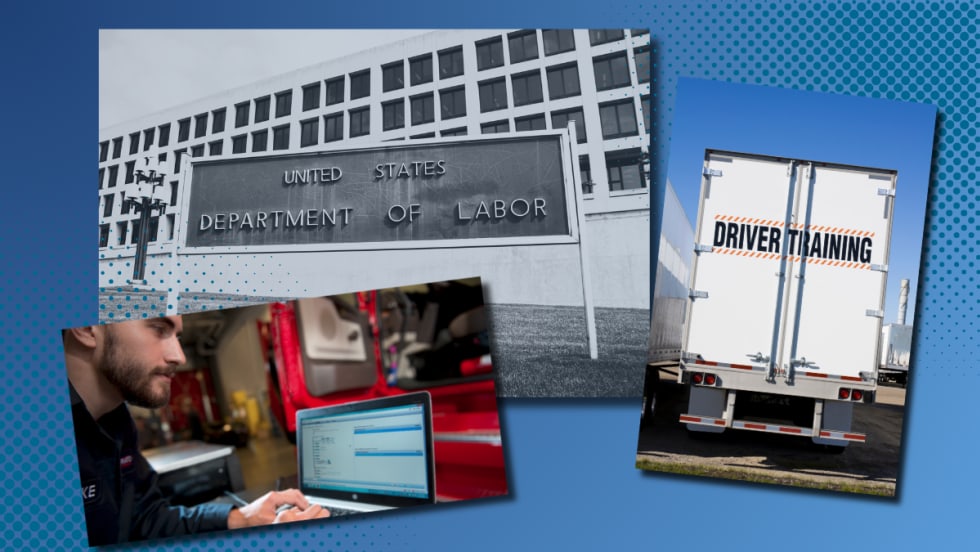
The Department of Labor plans to expand Pell Grant eligibility to some shorter workforce training programs, a move the American Trucking Associations said will help strengthen commercial driver training schools and diesel technician training programs.
Read More →
For an industry that has watched this issue go back and forth for years, the independent contractor proposal marks the latest swing in the regulatory pendulum.
Read More →
One electronic logging device has been reinstated to the FMCSA's list of registered ELDs.
Read More →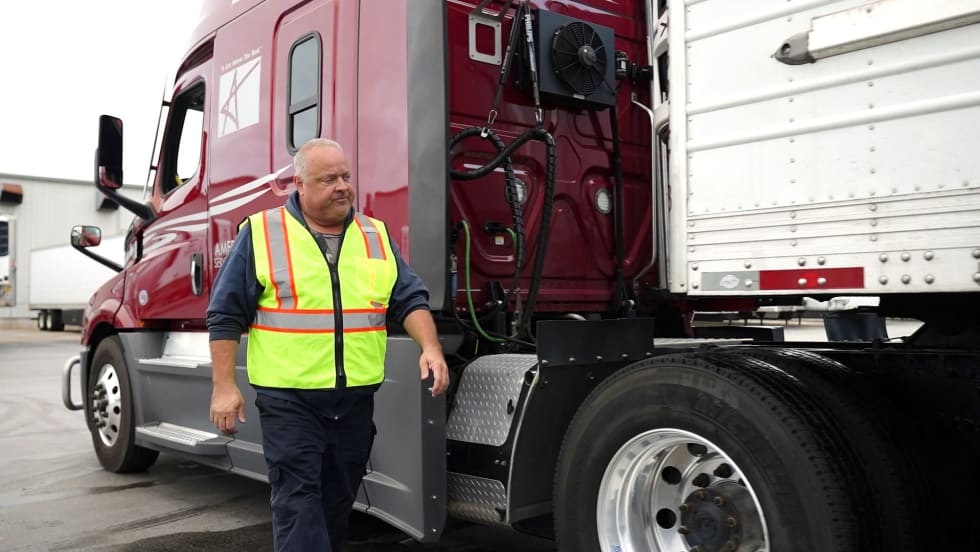
America’s Service Line adopted Link’s SmartValve and ROI Cabmate systems to address whole-body vibration, repetitive strain, and driver turnover. The trucking fleet is already seeing measurable results.
Read More →
The 18th annual contest recognizing the best workplaces for truck drivers sees changes to Top 20, Hall of Fame
Read More →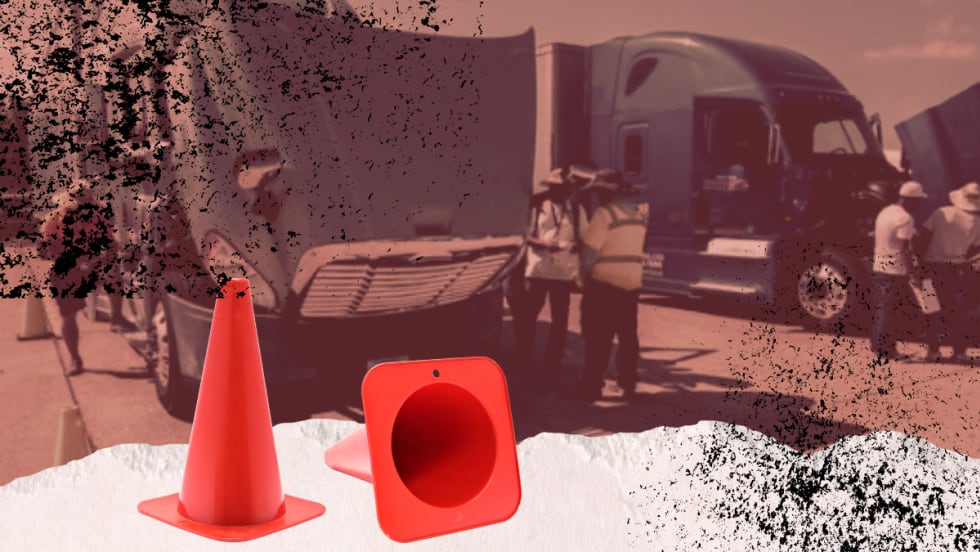
The Federal Motor Carrier Safety Administration issued more than 550 notices of proposed removal to commercial driver training providers following a five-day nationwide enforcement sweep. Investigators cited unqualified instructors, improper training vehicles, and failure to meet federal and state requirements.
Read More →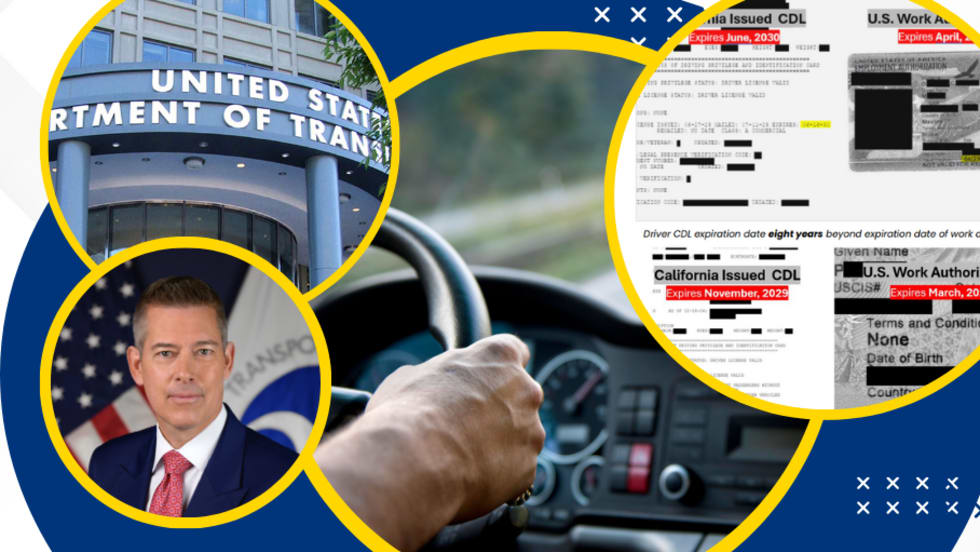
Illinois is the latest state targeted and threatened with the loss of highway funding by the U.S. Department of Transportation in its review of states' non-domiciled CDL issuance procedures. The state is pushing back.
Read More →After a legal pause last fall, FMCSA has finalized its rule limiting non-domiciled commercial driver's licenses. The agency says the change closes a safety gap, and its revised economic analysis suggests workforce effects will be more gradual than first thought.
Read More →
Truck driver ratings reveal the best chain and independent truck stops in the country.
Read More →
6 intelligent dashcam tactics to improve safety and boost ROI
Read More →